As the sustainability partner for Bradford 2025, UK City of Culture, SAIL has been supporting the organisation all across the programme to meaningfully address the environmental impact of delivering a cultural year of international scale.
One of the clearest challenges was the unavoidable carbon footprint from essential travel and transportation. Instead of turning to conventional carbon offsetting, which can often feel distant, intangible, or unreliable, Bradford 2025 chose a different path, investing directly in the restoration of Yorkshire’s peatlands.
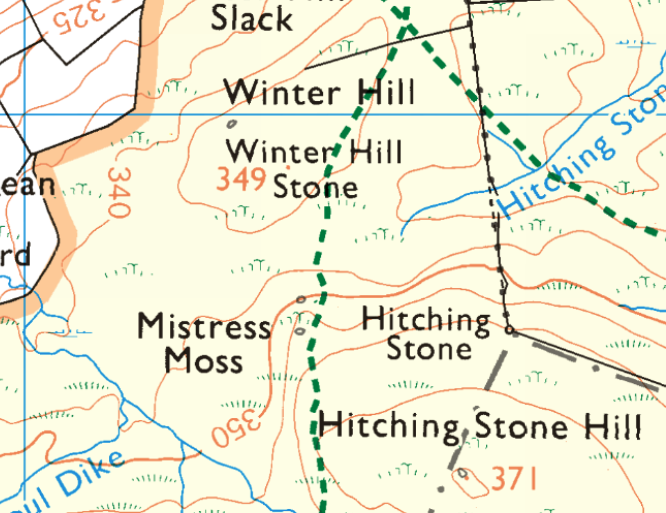
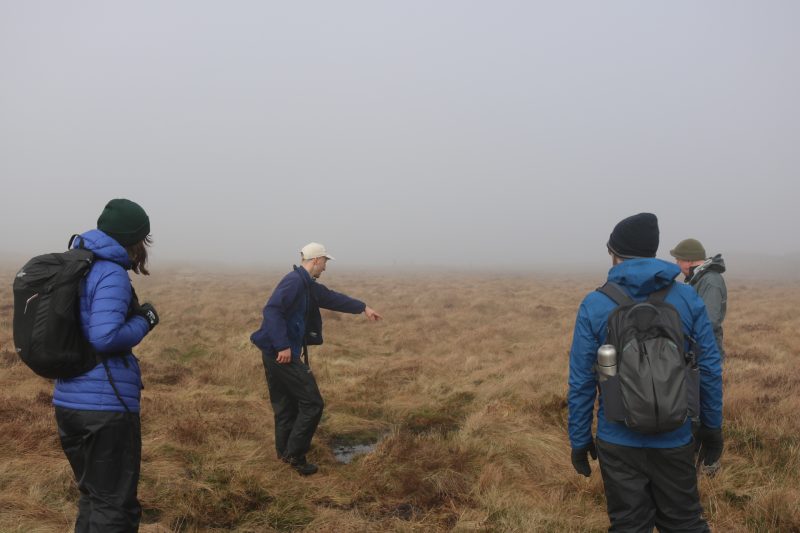
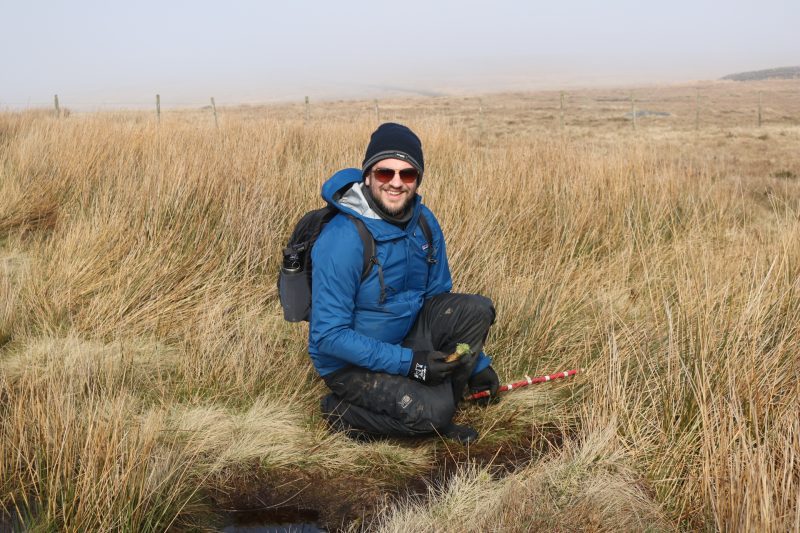
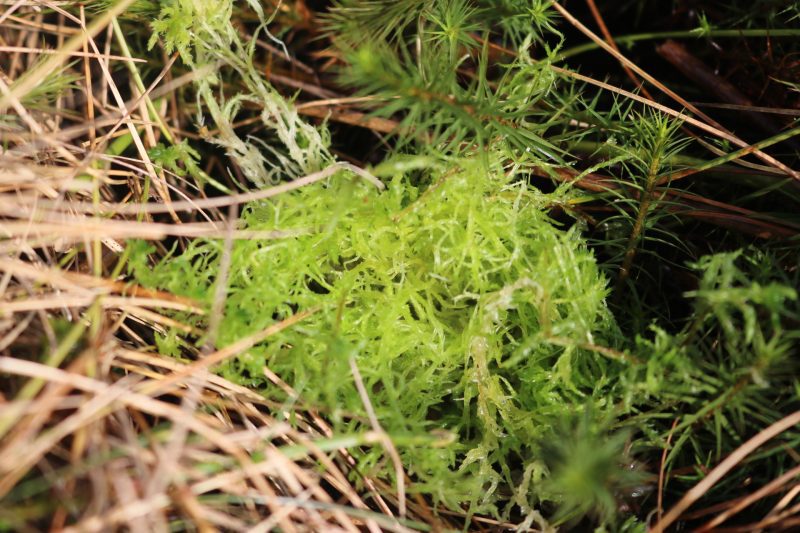
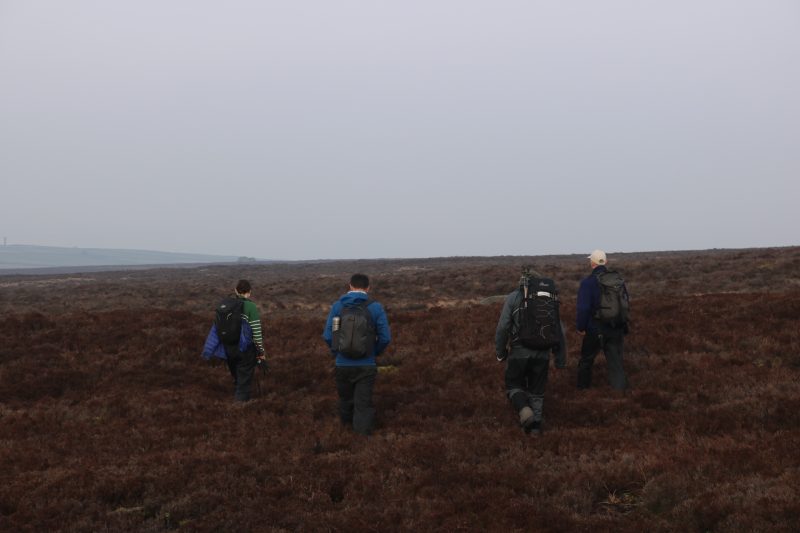
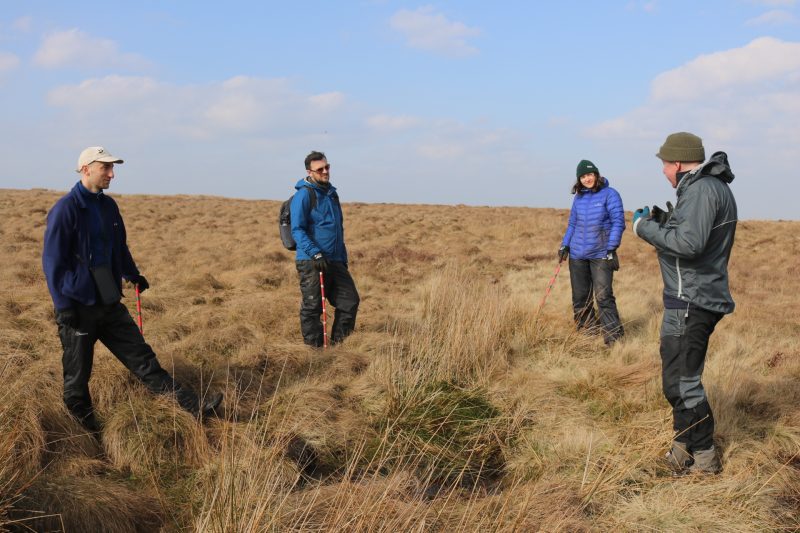
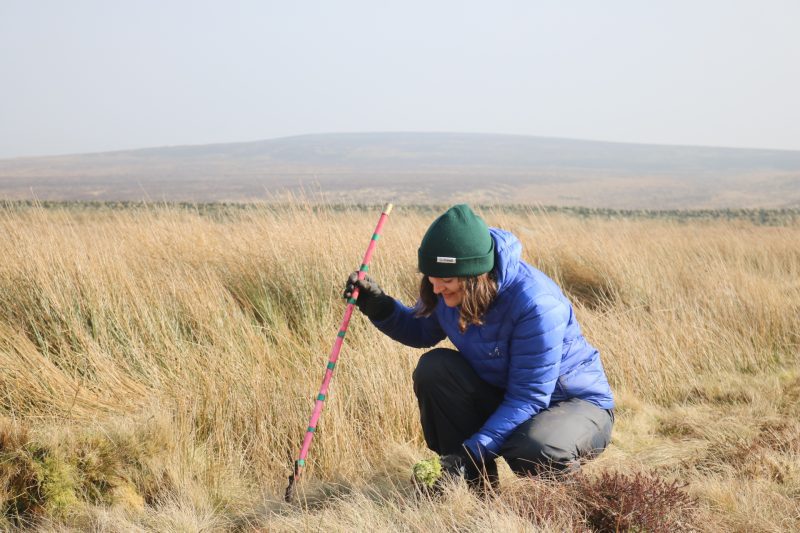
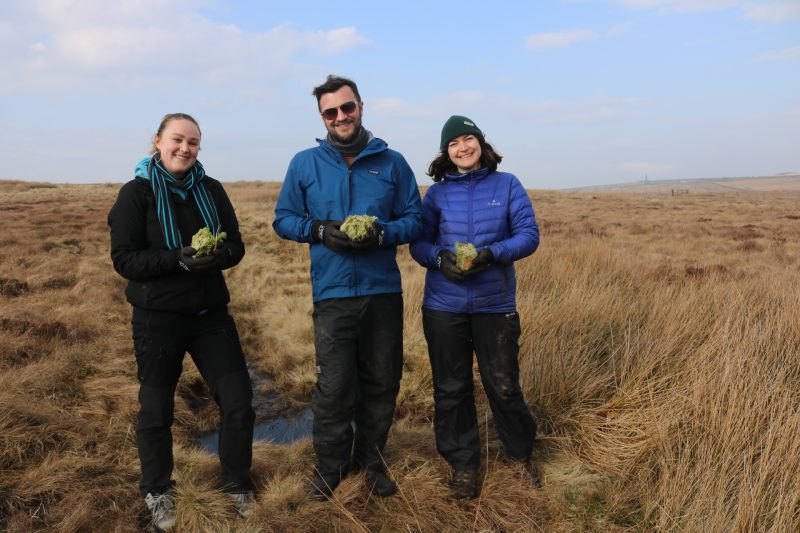
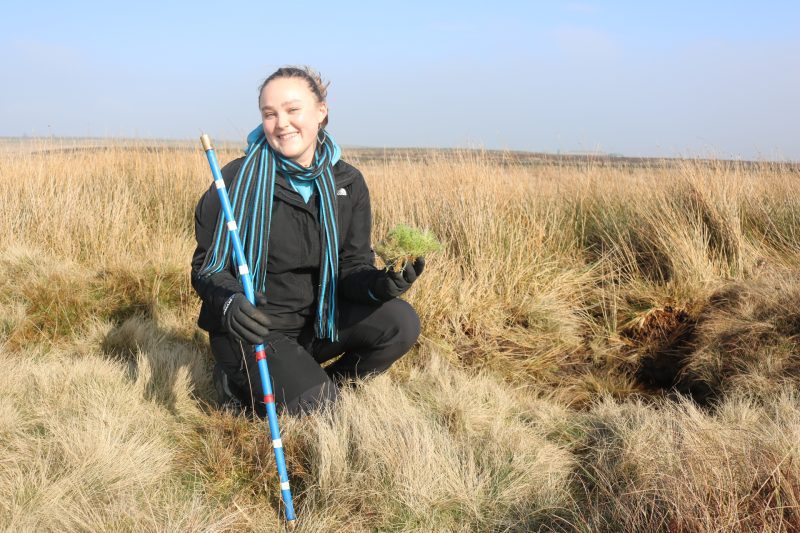
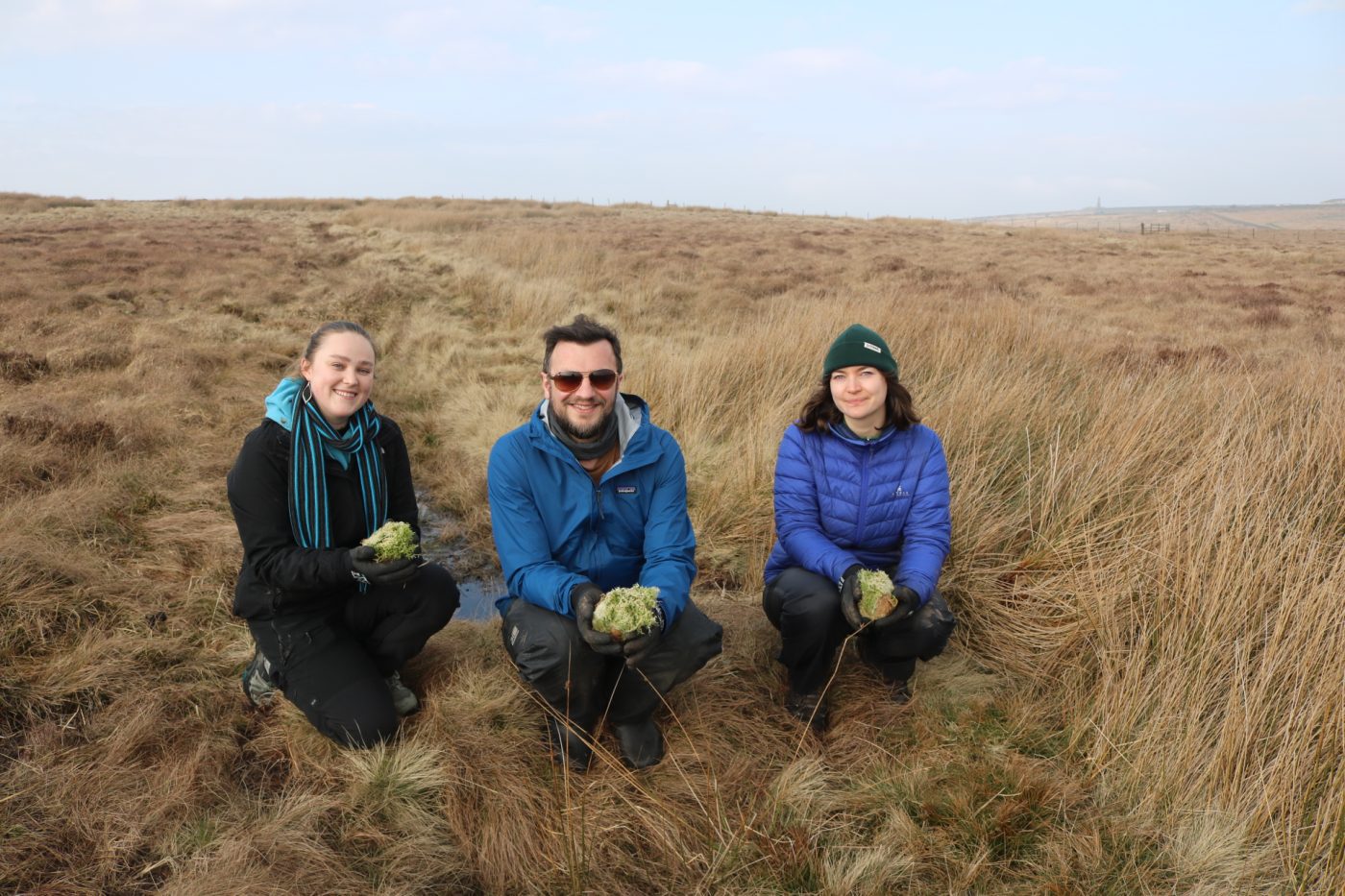
On Thursday 5th March 2026, SAIL joined Yorkshire Peat Partnership (YPP) on the moorland above Skipton to take part in hands‑on restoration work. Guided by two members of the YPP team, we spent the day learning about the ecology of peatlands and planting Sphagnum moss, a foundational species that helps damaged bogs begin to heal.
Sphagnum acts like nature’s own repair kit, driving peat formation, locking in carbon, slowing water flow, and creating the conditions for biodiversity to return.
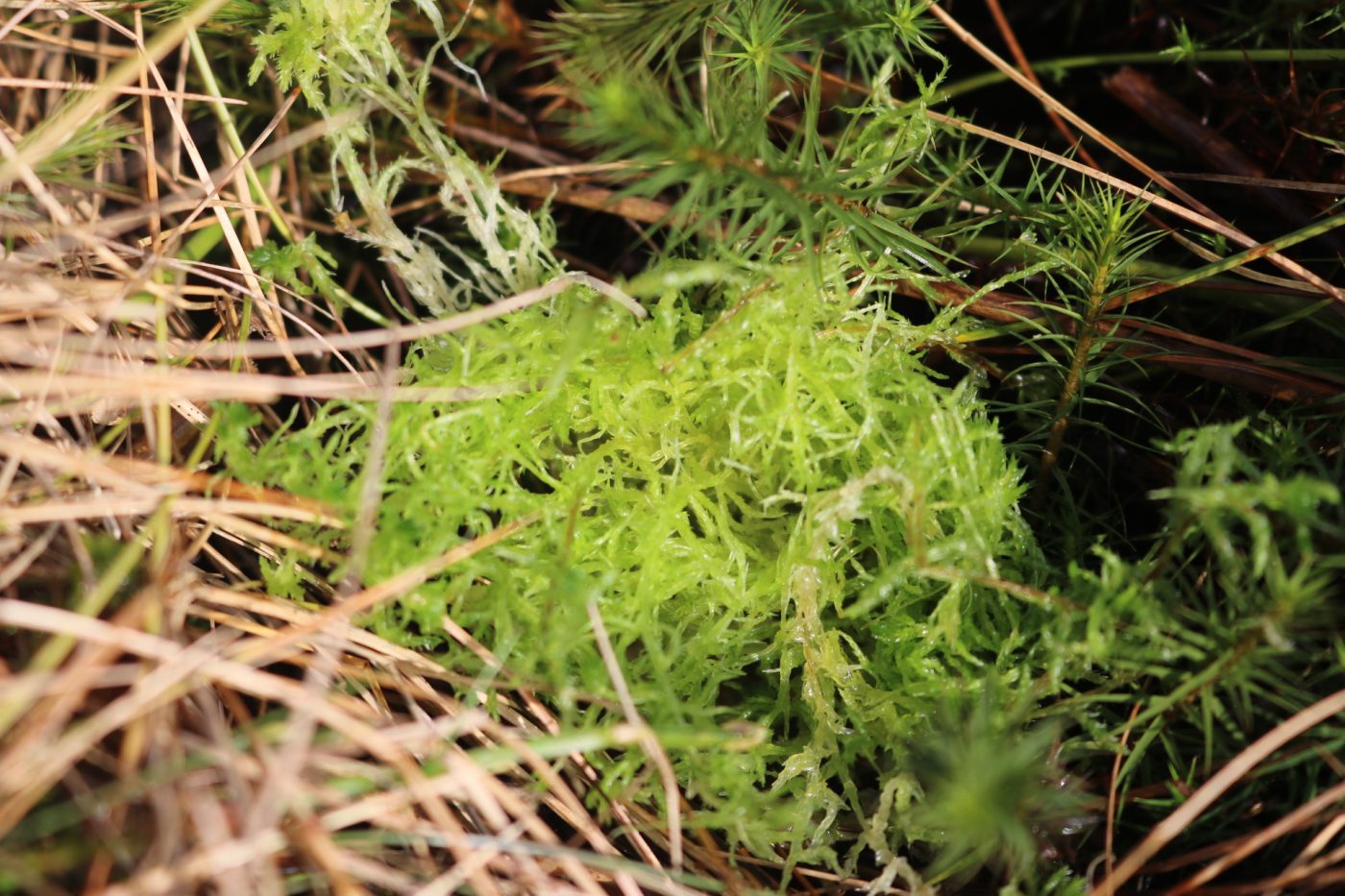
Peatlands are extraordinary landscapes, and we are lucky to have so much of it in Yorkshire. Although they cover only approximately 3% of the Earth’s surface, they store vast amounts of carbon. In fact, peatlands on earth store more carbon than all the world’s forests combined.
Another interesting fact about peat is that 1 pint of healthy peat contains less solid matter than a pint of milk, as it is almost entirely water, a living sponge that holds carbon, reduces flood risk downstream when healthy and supports a wide variety of wildlife, including the threatened Bilberry Bumblebee, that we were lucky enough to see when we were moss planting!
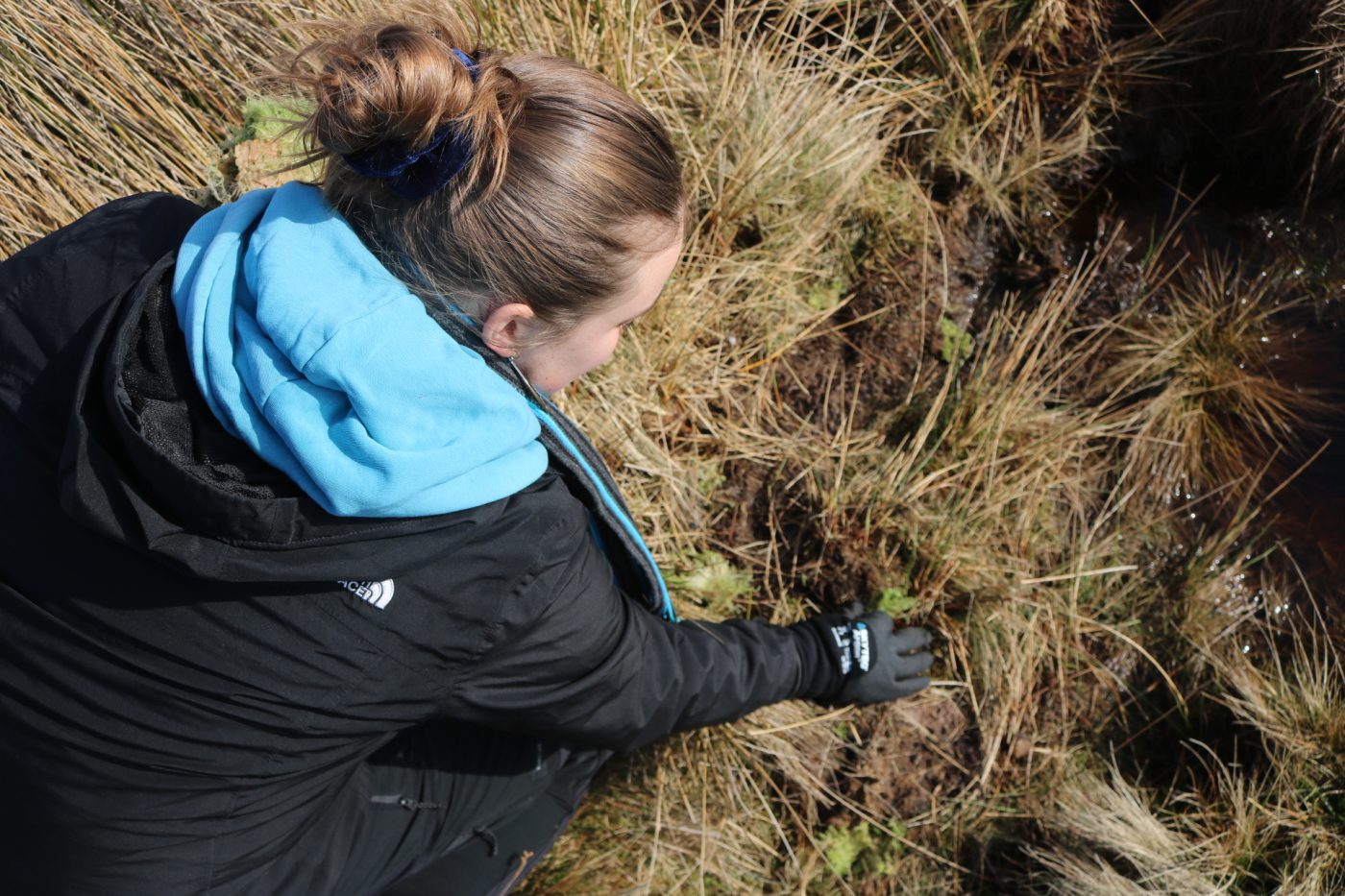
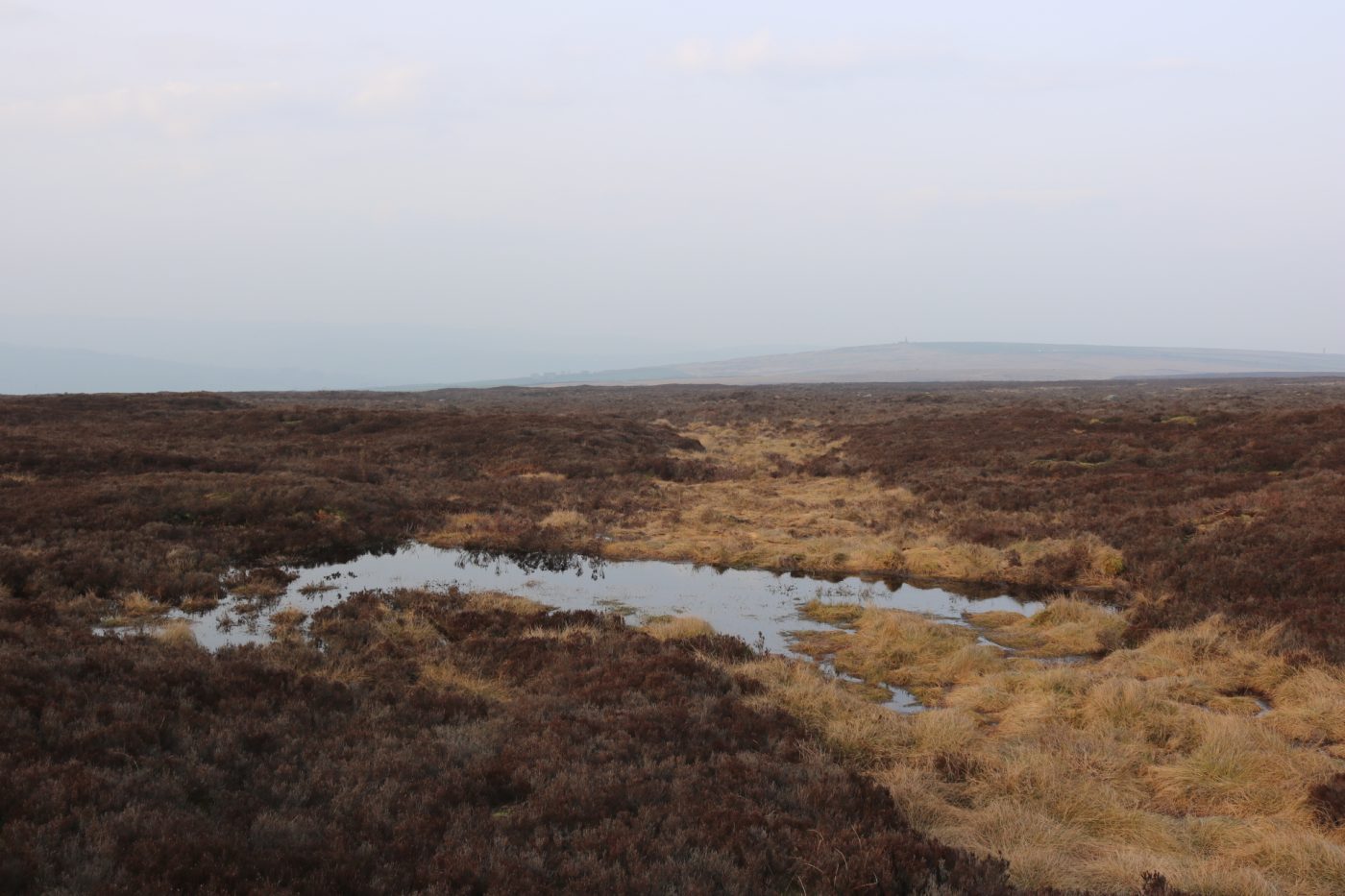
The work also connects to the region’s history. Much of the moorland above Bradford was deliberately drained after the Second World War to expand agricultural capacity. While well‑intentioned, this drying out of the peat has released stored carbon and increased vulnerability to downstream flooding over the past 80 years.
The restoration effort supported by Bradford 2025 is part of repairing a long arc of land‑use decisions and restoring resilience to an iconic Yorkshire landscape.
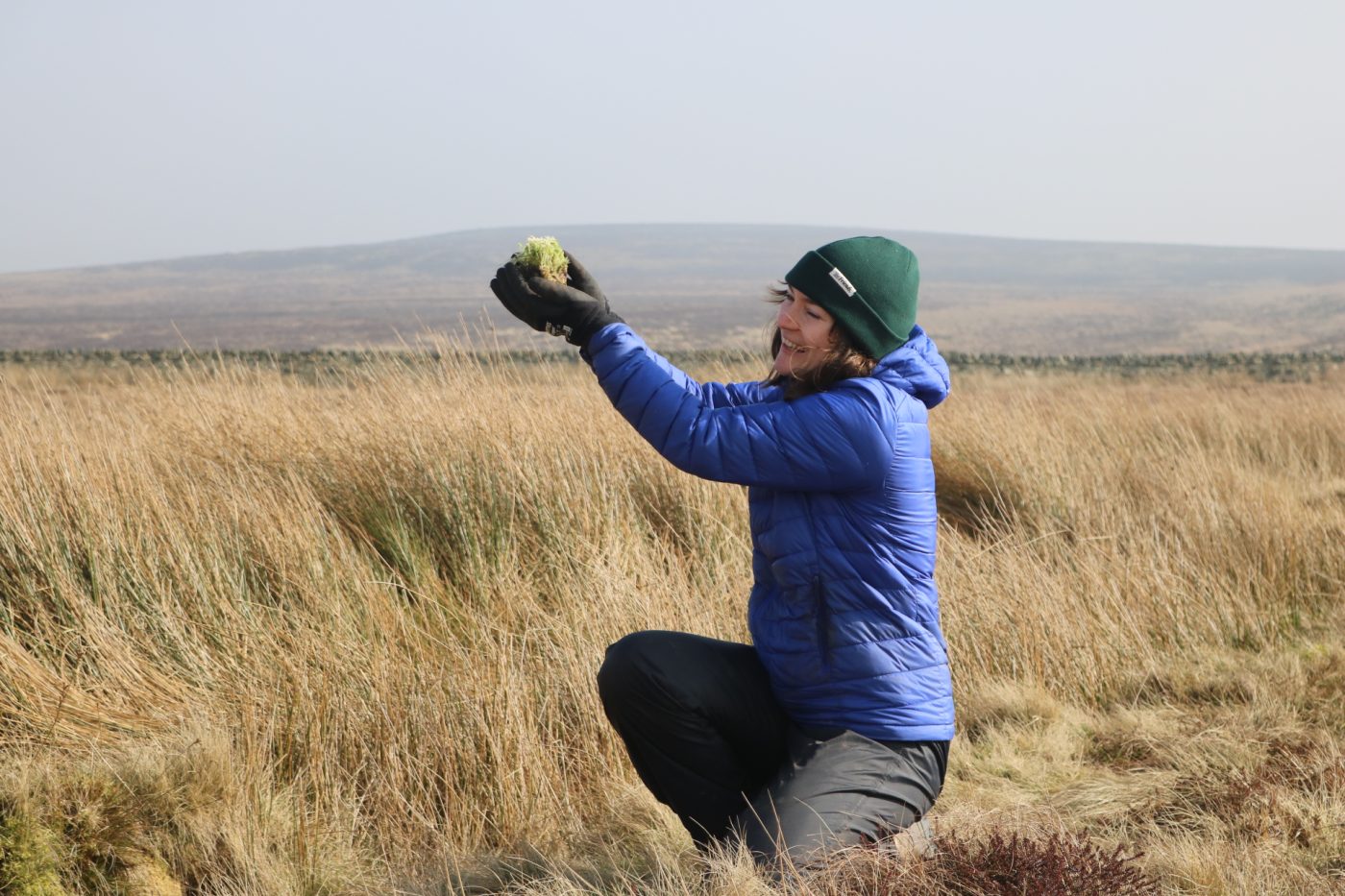
For SAIL, standing knee‑deep in the bog alongside the people actively restoring it brought home why the approach for Bradford 2025 matters. Instead of being an abstract offset on the other side of the world, this was a local intervention with visible impact, one that stores carbon, strengthens natural flood management, improves habitat, and reinvests directly into the region.
By supporting this work and enabling SAIL to take part directly, Bradford 2025 has demonstrated what cultural programmes can achieve when sustainability truly is a core principle of delivery.
It was a brilliant day learning from the Yorkshire Peat Partnership and contributing to the restoration of one of Yorkshire’s most important natural carbon stores. If you’re interested in supporting peatland restoration in Yorkshire, visit – https://www.yppartnership.org.uk/