

The Bradford Way: Helping Bradford’s Cultural Sector Turn Environmental Ambition into Action
Posted Case study, Strategy development, Training
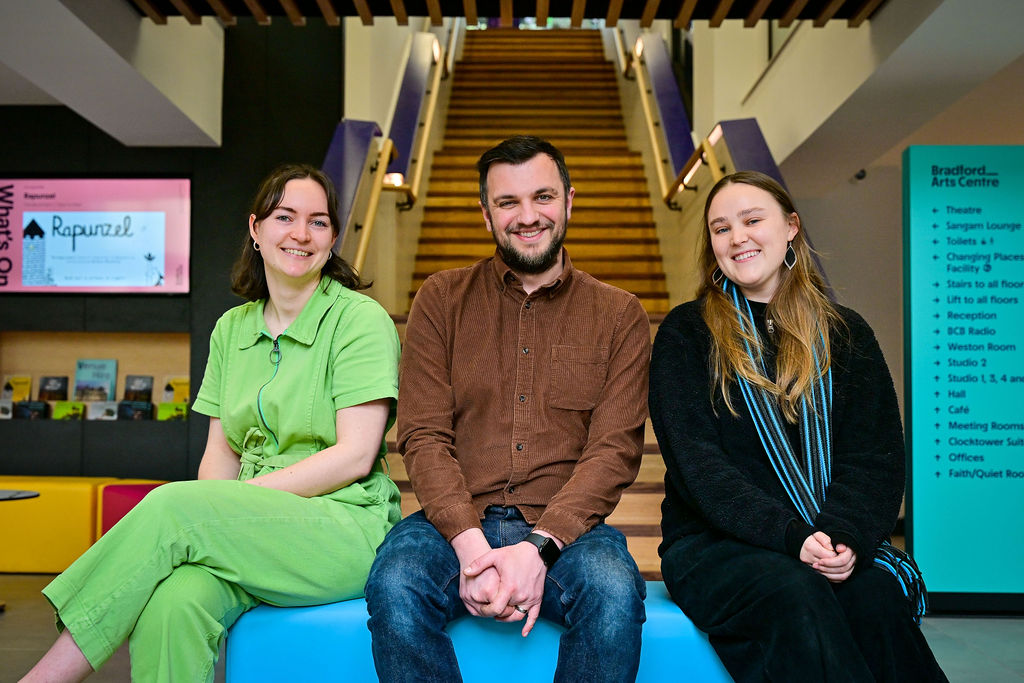
Through The Bradford Way Sustainability in Culture Programme, SAIL supported cultural organisations, freelancers and creative businesses across Bradford to embed sustainable practices into their work.
Delivered on behalf of The Bradford Way Consortium, the programme combined one-to-one mentoring, training and peer learning to help participants understand their environmental impact and identify realistic next steps.
By the end of the programme, 32 organisations, groups and freelancers had completed environmental policies and action plans, creating a stronger foundation for environmental sustainability across Bradford’s cultural sector.
The Environmental Sustainability Challenge Facing Bradford's Cultural Organisations
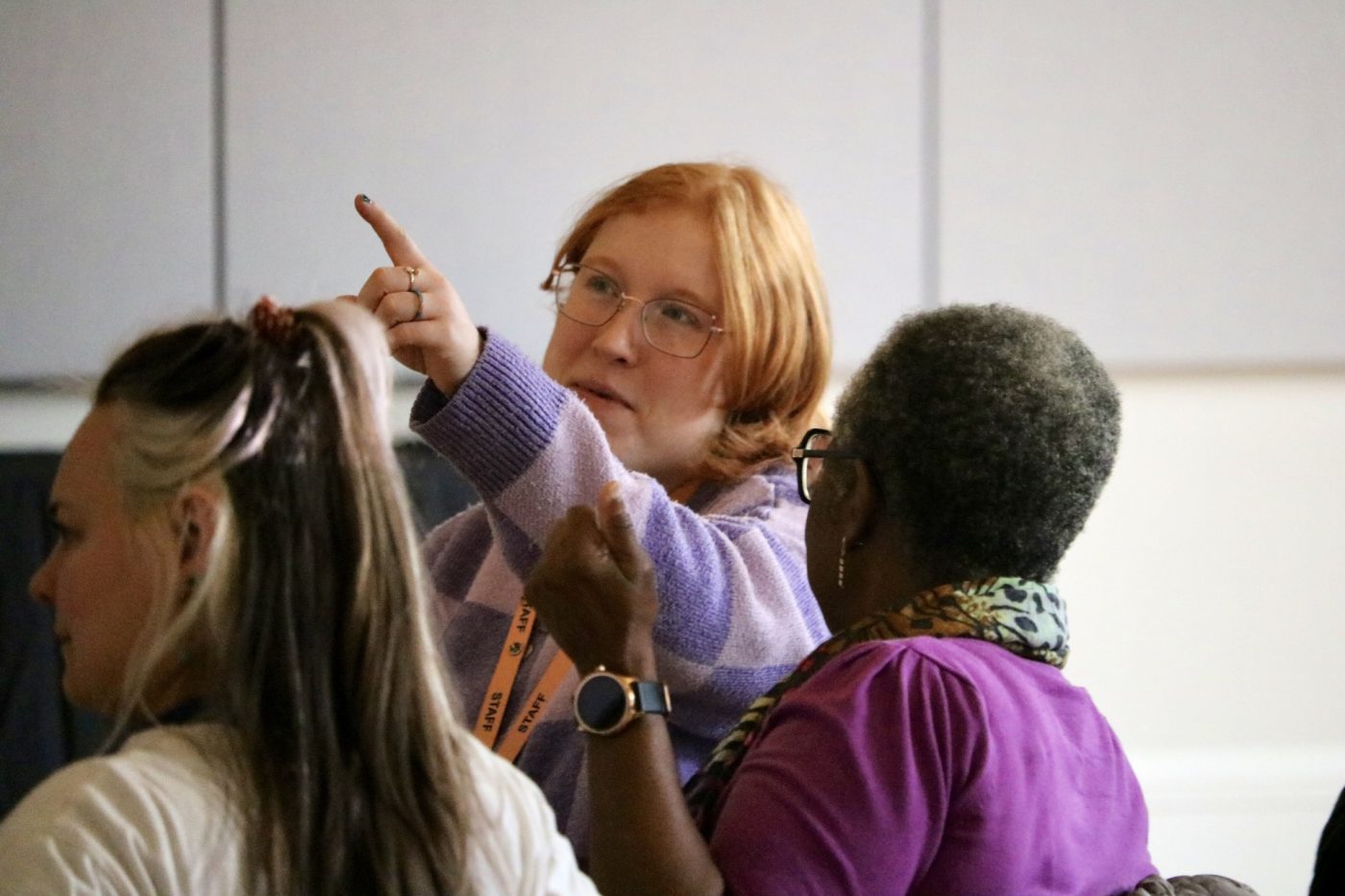
Bradford’s cultural sector plays a significant role in the district’s economy and communities, but organisations and practitioners were at very different stages of their sustainability journey. While many were already taking steps such as recycling, reducing energy use, reusing materials or encouraging sustainable travel, there was often uncertainty about where to focus efforts and how to develop a structured approach.
At the same time, Bradford Council had committed to becoming a net zero district by 2038, creating an opportunity for the cultural sector to contribute to wider climate ambitions. However, many organisations lacked the time, capacity, specialist knowledge or resources needed to turn environmental aspirations into practical action.
As one participant reflected, they moved from feeling “lost and overwhelmed without direction” to having “manageable actions and a clear plan going forward.” This challenge, turning intention into achievable action, became the focus of SAIL’s work through The Bradford Way.
How SAIL Delivered Sustainability Training, Mentoring and Action Planning
SAIL designed and delivered a flexible programme of sustainability support that could work for organisations of different sizes, structures and levels of experience. Rather than applying a one-size-fits-all approach, support began with understanding each participant’s own circumstances, priorities and capacity.
Participants completed an Environmental Sustainability Self-Assessment covering areas including energy, travel, materials, waste, biodiversity, governance and supply chains. This formed the basis of tailored one-to-one mentoring sessions, helping participants understand their current position and identify practical opportunities for improvement.
Working closely with SAIL, participants developed bespoke environmental sustainability policies and action plans covering key areas such as:
- Energy
- Travel and transport
- Materials and waste
- Supply chains
- People and partnerships
- Programming and communications
- Measurement and reporting
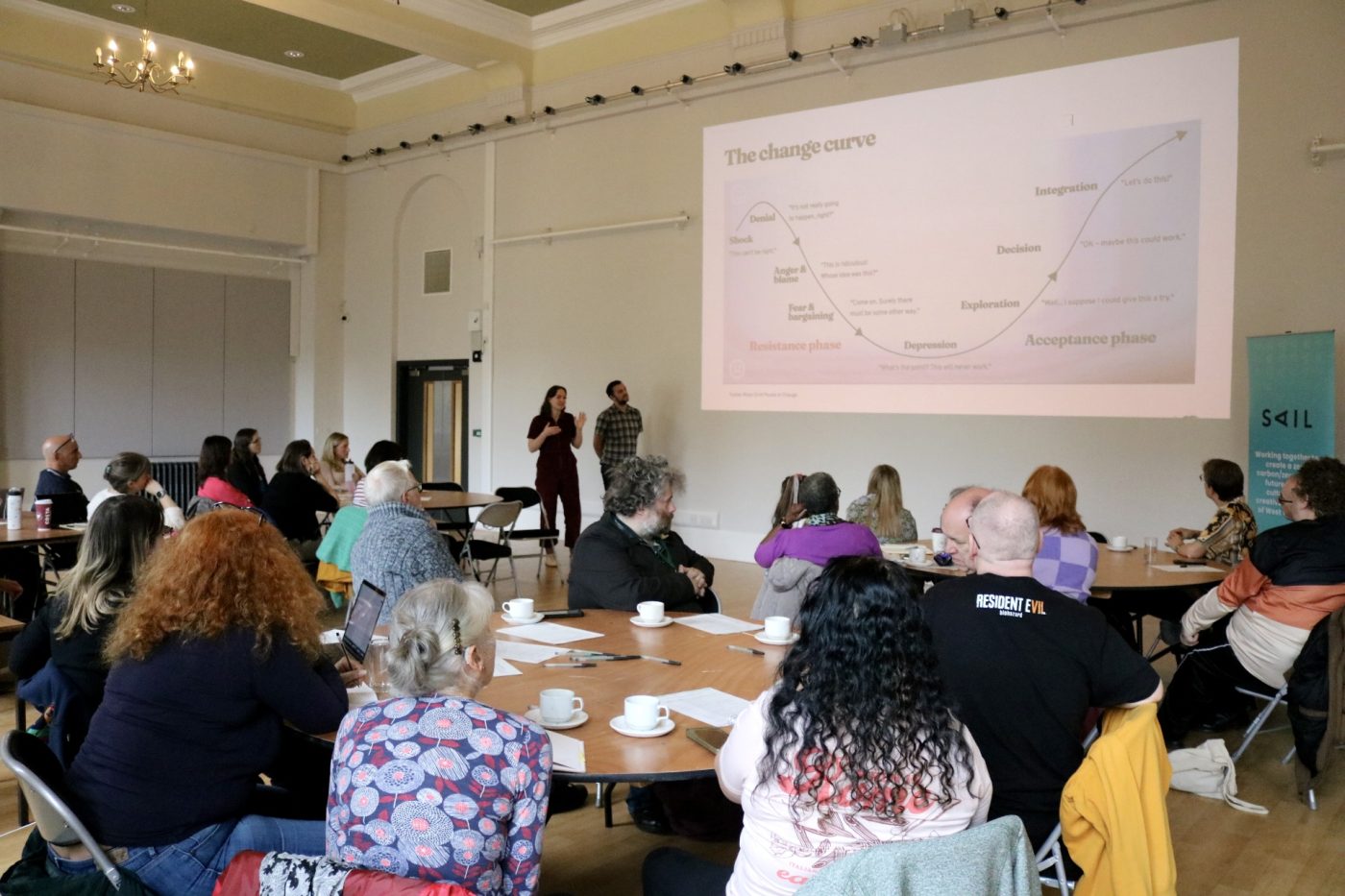
Alongside one-to-one support, SAIL delivered introductory sustainability training, accredited Carbon Literacy training, peer-learning sessions and themed workshops focused on environmental data, audience travel and circularity. Across the programme, participants were able to learn from one another, share challenges and explore practical examples from across the cultural sector.
The programme also connected planning with implementation. Organisations that completed the mentoring process could apply for Bradford Council-administered grants to begin delivering actions identified in their plans, helping sustainability move beyond policy documents and into practical change.
Environmental Sustainability Results: 32 Action Plans and Practical Change Across Bradford
The programme resulted in 32 completed environmental sustainability policies and action plans, with every participant who booked onto the one-to-one support programme completing the process.
The work helped participants move from broad awareness of environmental issues towards clear, achievable action. Feedback highlighted increased confidence, clearer priorities and a stronger understanding of how sustainability could be embedded within day-to-day operations.
The programme also unlocked practical investment. Nineteen projects received support to begin implementing actions identified through the planning process, including energy-efficiency improvements, solar and battery systems, recycling infrastructure, sustainable audience travel initiatives, circular resource use and repair-and-reuse projects.
One example was South Square Centre, which replaced its remaining halogen lighting with LED alternatives, estimating annual savings of 1,630kWh of energy and 314kg of carbon dioxide emissions.
Across the wider programme:
- 32 organisations, groups and freelancers completed environmental policies and action plans.
- 121 people participated in Carbon Literacy training, introductory learning, peer exchange and themed sustainability workshops.
- 25 cultural professionals attended an introductory sustainability session.
- 16 participants took part in peer-learning activity.
Beyond individual organisations, the programme created a valuable evidence base for the district. By analysing all 32 policies and action plans, SAIL produced a sector-wide synthesis identifying common sustainability challenges, opportunities and structural barriers. This highlighted issues such as ageing buildings, rented premises, limited staff capacity, affordability, access to environmental data, travel constraints and supply-chain complexity.
The result is not only a set of plans for individual organisations, but a stronger understanding of the support, infrastructure and investment needed to help Bradford’s cultural sector contribute to the district’s long-term environmental ambitions.
What Participants Said About the Bradford Way Sustainability Programme
The support I received through The Bradford Way helped turn an idea into something practical and achievable. SoundCycle CIC is now rescuing unwanted musical instruments and equipment, refurbishing them, and redistributing them to schools, community groups and not-for-profit music projects across the Bradford district. So far we've diverted around four tonnes of instruments from going to waste and helped put them back into the hands of people who can use them.Bren Travis, Founder, SoundCycle CIC
Get Environmental Sustainability Support for Your Organisation
Whether you’re developing your first environmental action plan or looking to build sustainability into an established organisation, SAIL provides practical support, training and consultancy tailored to the creative and cultural sector.
Get in touch to discuss environmental sustainability planning, Carbon Literacy training, environmental policies and action plans, or wider sustainability support for your organisation.